2025 Ultimate Guide: How to Choose the Perfect Tent for Your Camp
Are you ready to embark on a new tent selection journey for the 2025 camping season? Your tent is the heart of your campsite, a crucial item that significantly influences your outdoor experience. With so many options available, finding the perfect one can sometimes feel like a daunting challenge. However, after reading this article, you'll discover valuable tips for choosing a tent that perfectly matches your camping style. We’ll delve into the latest trends and reveal secrets to making a choice you won't regret.
Understanding Tent Types and Their Unique Appeals
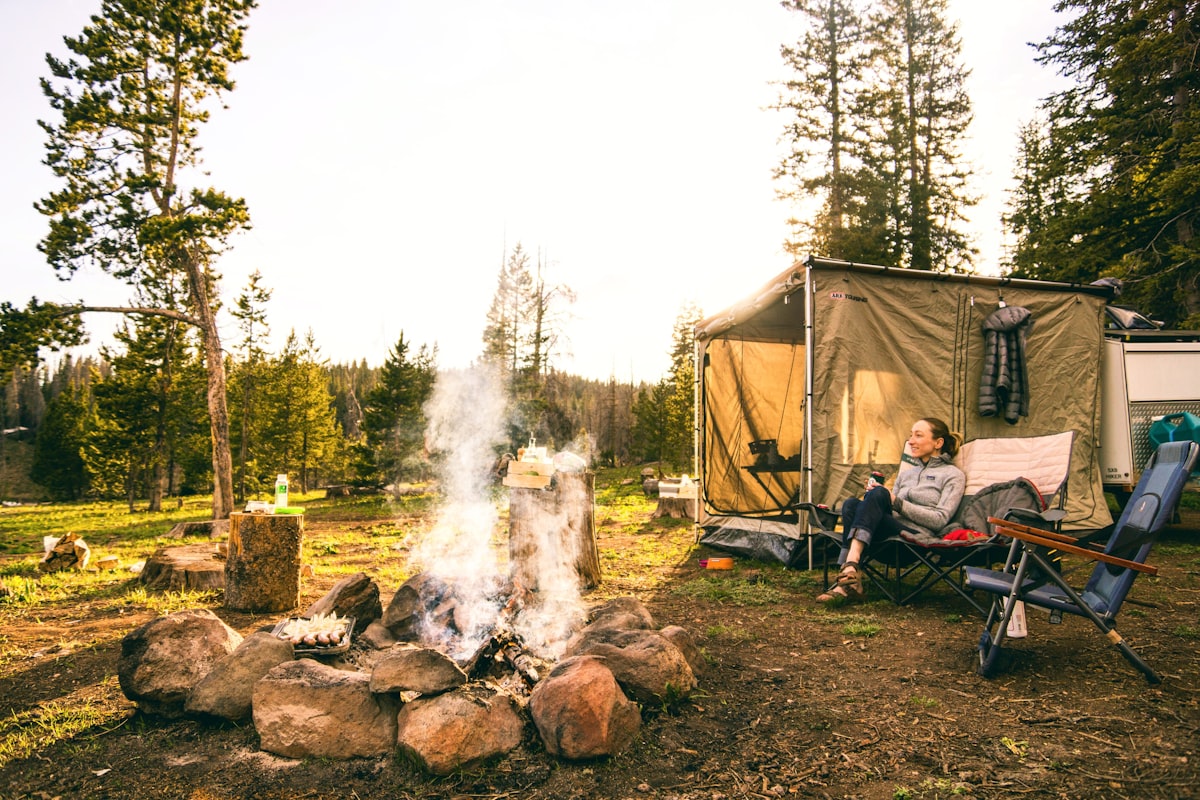
 Photo by Markus Spiske on Unsplash
Tents come in various types, each with distinct characteristics. Let's first familiarize ourselves with the main categories to narrow down options suitable for your camping adventures.
- Dome Tents: The most common type, valued for their ease of setup and stability. They use crossing poles to create a self-supporting structure, making them relatively wind-resistant and favored by campers of all experience levels. Available in sizes from solo to family.
- Tunnel Tents: Featuring arch-shaped poles arranged lengthwise, these tents offer spacious living areas. They are ideal for families or groups, often having large vestibules that can be utilized as comfortable living spaces.
- One-Pole / Teepee Tents: Erected by a single central pole, these tents are popular for their simple setup and distinctive, aesthetic forms. They provide generous internal space, with some models suitable for internal wood stoves.
- Two-Room Tents: These large tents integrate sleeping quarters with a living area, providing a complete and comfortable living space in one unit. They are particularly popular with families looking to minimize setup efforts and offer a cozy refuge in adverse weather.
- Pop-Up Tents: Their built-in framework allows them to automatically unfold from their bag, making them incredibly easy to set up and pack down. This speed makes them perfect for day trips, picnics, or beach outings where convenience is key.
Choosing a Tent Based on Occupancy and Purpose
 Photo by Laura Pluth on Unsplash
Tent size should be determined by the number of occupants and the amount of gear you plan to bring. Ensure ample space for a comfortable camping experience.
- Solo or Duo Camping: A one or two-person tent is recommended. If you have significant gear or prefer more room, opting for a slightly larger size can be beneficial. Lightweight and compact storage are key considerations.
- Family or Group Camping: Generally, a 4 to 6-person tent is suitable for families, allowing room for growth. Two-room or large tunnel tents provide integrated living areas, perfect for family gatherings. For groups, consider combining multiple individual tents or sharing one large unit.
Functionality for Different Seasons and Weather Conditions
 Photo by Shafiq Latif on Unsplash
Japan's diverse seasons and varied climates at different camping locations necessitate careful consideration of tent functionality. Which season and where you plan to camp are crucial factors.
- 3-Season Tents: Ideal for mild conditions from spring through autumn. They typically feature good ventilation and resist condensation effectively, suitable for most general campgrounds.
- 4-Season Tents: Designed for extreme conditions like winter mountaineering. These tents boast high weather resistance with robust poles and fabrics engineered to withstand heavy snow and strong winds. However, their ventilation may be less than 3-season models.
- Water Pressure Resistance (Waterproof Rating): Measured in millimeters (mm), this indicates a tent's ability to resist rain. A rating of 1,500mm or more is generally sufficient for normal rain, while 2,000mm or higher offers peace of mind during heavy or prolonged downpours.
- Ventilation: Mesh windows and dedicated ventilation features are vital for airflow, preventing condensation and humidity buildup inside the tent. This is particularly essential for comfort during summer camping.
- Wind Resistance: If you anticipate camping in windy areas, pay close attention to the number, material, and shape of the poles. Dome tents and aerodynamic designs that deflect wind tend to be more stable.
Material and Ease of Setup Factors
 Photo by Ali Kazal on Unsplash
The comfort and durability of your tent are significantly influenced by its materials and how easily it can be set up.
- Materials:
- Polyester/Nylon: These are popular choices for their lightweight, compact nature, quick-drying properties, and excellent water resistance.
- TC (Technical Cotton) Material: A blend of polyester and cotton, offering superior breathability and moisture absorption. It keeps cool in summer and warm in winter, is resistant to sparks from campfires, and has a natural aesthetic. However, it's heavier and takes longer to dry.
- Pole Materials: Duralumin poles are lightweight and strong, while fiberglass poles are more affordable but heavier and prone to degradation over time.
- Ease of Setup: Features such as color-coded poles, easy-thread sleeves, and clip-on inner tents can dramatically reduce setup time. For portability, especially for solo or touring campers, a lightweight and compactly storable model is ideal.
2025 Latest Trends and Buying Tips
 Photo by True Knife on Unsplash
As we approach 2025, new perspectives are emerging in tent selection, with sustainability, smart features, and enhanced design gaining prominence.
- Sustainability: There's a growing trend towards tents made from recycled materials or produced through environmentally conscious processes. Long-term durability and repairability are also becoming key eco-friendly selection criteria.
- Smart Camping: Tents integrating IoT technology for lighting systems or built-in USB charging ports are appearing, reflecting a new trend that seeks to enhance comfort through digital connectivity.
- Design and Colors: An increasing variety of tents feature earth tones that blend with nature or unique designs that express personal style. Beyond functionality, considering the overall aesthetic of your campsite is a popular approach.
Conclusion: Find Your Perfect Tent for a Great Outdoor Experience
Choosing a tent is a highly personal decision, varying greatly with your camping style and desired outdoor experience. Use the diverse points outlined in this article to clarify your needs, weigh them against your budget, and ultimately discover the ideal tent for you. The right tent will undoubtedly enrich your camping life. Take your time, choose wisely, and prepare for wonderful outdoor adventures!
Essential Camp Gear
Find what you need on Amazon, Rakuten, or Mercari.
 Amazon
Comments (0)
No comments yet. Be the first!
Log in to post a comment.